
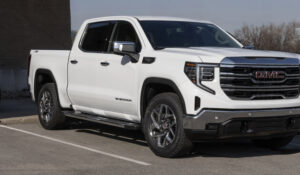
GM L87 Engine Problems: NHTSA Investigation, Vehicle Defects, and California Lemon Law Rights

If you own a 2019–2024 Chevrolet Silverado 1500, Chevrolet Tahoe, Chevrolet Suburban, GMC Sierra 1500, GMC Yukon, GMC Yukon XL, Cadillac Escalade, or Cadillac Escalade ESV equipped with the 6.2L V8 L87 engine, you may be at risk for serious mechanical problems. Recent developments have prompted a federal investigation into these issues, highlighting the importance of staying informed and knowing your rights.
Understanding the GM L87 Engine
The GM L87 engine is a 6.2-liter naturally aspirated V8 engine in GM’s EcoTec3 family. It features:
This engine is used across many GM trucks and full-size SUVs as the most powerful gasoline option in the lineup. The problem is that the engine is not reliable. Owners have reported many defects and dealerships cannot complete repairs in a timely manner.
Common GM L87 Engine Problems Reported by Owners
Owners have reported several significant issues with the L87 engine, including:
Lifter Failure
- One of the most common and costly failures.
- Lifter collapse typically triggers a misfire, rough idle, or check engine light (P0300, P0301, etc.).
- May lead to bent pushrods, damaged camshaft lobes, or full engine teardown.
DFM (Dynamic Fuel Management) Malfunctions
- DFM is designed to deactivate cylinders to boost fuel economy.
- Failures in this system have led to hesitation, shuddering, and premature lifter/cam wear.
- Disabling DFM via tune (after warranty) is a common aftermarket workaround.
Oil Consumption & Leaks
- Some owners report excessive oil consumption, even within a few thousand miles.
- Leaks at the oil pan, rear main seal, and valve covers are common on higher-mileage trucks.
Timing Chain Stretch
- Though less common than lifter issues, timing chain slack can cause rough starts, engine codes, and eventual failure.
Stalling and Reduced Engine Power
- Affected vehicles sometimes enter “limp mode,” losing throttle response. Limp mode is a vehicle safety feature that halts the motor when powertrain components detect a problem.
- These incidents have been tied to sensor failures, ECM issues, and oil pressure anomalies.
NHTSA Investigation into GM L87 Engine Failures
In January 2025, the National Highway Traffic Safety Administration (NHTSA) opened a preliminary evaluation (PE25001) into approximately 877,710 GM vehicles equipped with the GM L87 engine. This action was prompted by 39 complaints and several Early Warning Reporting (EWR) field reports alleging engine failures due to connecting rod bearing failures. According to the NHTSA, these failures can result in:
The investigation covers the following models:
The NHTSA’s investigation aims to determine the scope and severity of the potential problem and assess any safety-related issues. These investigations can help bring a successful lemon law claim.
California Lemon Law: Know Your Rights
California has one of the strongest Lemon Laws in the country providing consumers with valuable protection against purchasing defective vehicles. If your 2019–2024 GM vehicle has:
- Ongoing engine problems under warranty
- Multiple failed repair attempts
- 30+ days in the shop
… you may qualify for a refund, a replacement vehicle, or cash compensation.
If you’re experiencing ongoing issues with your GM vehicle’s L87 engine, consider reaching out to attorney Jeffrey Le Pere, who specializes in California Lemon Law and dealer fraud cases. With over 25 years of experience, including 11 years as a defense attorney representing manufacturers and dealerships, Mr. Le Pere offers a unique perspective in advocating for consumers. Contact the Attorneys at the RV Auto Legal Team for a FREE CONSULTATION and personalized support to help you get the resolution you deserve.
Mr. Le Pere’s firm offers free case reviews and consultations, serving clients throughout California. They specialize in lemon law cases involving motorhomes, RVs, and automobiles, as well as dealer fraud cases.
 Engine Defects In Hyundai Sonata and Kia Soul: Potential Lemons