
• Skip to main content
  • Skip to header right navigation
  • Skip to site footer
California RV Lemon Law and Dealer Fraud

California RV Lemon Law and Dealer Fraud

  • Home
  • Why Choose Us
  • Our California Lemon Law & Dealer Fraud Practice Areas
  • Frequently Asked Questions About California Lemon Law & Dealer Fraud
  • Lemon Law Insights: California RV, Auto & Dealer Fraud News
  • FREE Case Review

Used Car Dealer Lies: Common Misrepresentations and Your Rights

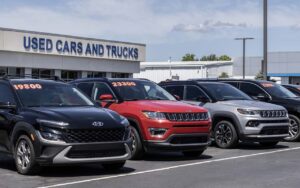
In California, a used car sale is often considered final unless the dealer lied to get you to sign. While many people think “As-Is” means “No Rights,” that isn’t true if the dealer engaged in fraudulent or negligent misrepresentation.

At RV Auto Legal Team, we help consumers who have been tricked into buying vehicles with hidden histories. If you discover your “clean” used car has a frame-damage history or was a former rental, you may be a victim of auto fraud.
In This Article
  • The "Clean Title" Lie (Undisclosed Branding)
  • The Used Car "Accident-Free" Myth
  • "Certified" But Defective
  • The "Yo-Yo" Financing Scam
  • Prior Use: The "Rental" Secret
  • How to Fight Back: The CLRA
  • The Paper Trail: Why Documenting Your Dealer Visit is Your Best Legal Defense
  • The Power of Text and Email
  • The FTC Buyers Guide: Your Contract for Quality
  • The "Certified" Inspection Checklist
  • The "Due Bill" (Spoken Promises in Writing)
  • Your Documentation Checklist

Photo by: jetcityimage2/Depositphotos.com

The “Clean Title” Lie (Undisclosed Branding)

One of the most common misrepresentations involves the vehicle’s title. Dealers are legally required to disclose “branded” titles.

  • The Trap: A dealer tells you the used car has a “Clean Title,” but you later discover it was a Lemon Law Buyback, a Salvage vehicle, or Flood-Damaged.
  • The Law: Under the California Car Buyer’s Bill of Rights, a dealer cannot even advertise a vehicle as “Certified” if it has a branded title. If they hid this, the contract can be rescinded.

The Used Car “Accident-Free” Myth

Dealers often rely on a “Clean Carfax” to claim a used car has never been in an accident, even when they know (or should know) otherwise.

  • The Trap: You find overspray on the fenders or a crumpled frame rail that proves the car was in a major collision.
  • The Disclosure Duty: In California, dealers must disclose “material” damage. If you specifically asked, “Has this car been in an accident?” and they said “No” despite knowing about a $5,000 repair, that is fraudulent misrepresentation.

“Certified” But Defective

The word “Certified” (CPO) carries legal weight in California (Vehicle Code § 11713.18). A dealer cannot call a used car “Certified” if:

  • The odometer is inaccurate.
  • It has frame damage.
  • It was sold “As-Is” (CPO vehicles must come with a warranty).
  • The dealer failed to provide you with a completed inspection report before you signed.

The “Yo-Yo” Financing Scam

This is a deceptive tactic where a dealer lets you drive away with a car, claiming your financing is “approved,” only to call you a week later saying the “loan fell through.”

  • The Trap: They demand you come back and sign a new contract with a higher interest rate or a larger down payment.
  • Your Rights: In many cases, if the dealer cannot secure financing on the original terms, they must cancel the deal and return your trade-in or down payment in full. They cannot “force” you into a worse loan.

Prior Use: The “Rental” Secret

Was your used car a “one-owner” vehicle or a “rental car” driven by 500 different people?

  • The Trap: Dealers often hide the fact that a used car was a prior daily rental.
  • The Law: This is a material fact that must be disclosed. If they told you it was a “corporate lease” or a “local trade” to hide its rental history, they have committed fraud.

How to Fight Back: The CLRA

In California, the Consumer Legal Remedies Act (CLRA) allows you to sue deceptive dealers for:

  • Restitution: Getting your money back.
  • Actual Damages: The difference between what you paid and what the car is actually worth (with its damage).
  • Attorney’s Fees: The dealer may be forced to pay your legal costs if you win.

The Paper Trail:
Why Documenting Your Dealer Visit is Your Best Legal Defense

When a used car deal goes sour, it usually starts with a verbal promise: “This car has never been in a wreck,” or “Don’t worry, the ‘Certified’ status means everything is perfect.” But in the world of California auto fraud, if it isn’t in writing, it didn’t happen.

At RV Auto Legal Team, we know that the difference between a dismissed claim and a full buyback often comes down to the quality of the owner’s paperwork.

Here is how to build a bulletproof paper trail to hold a dishonest dealer accountable.

The Power of Text and Email
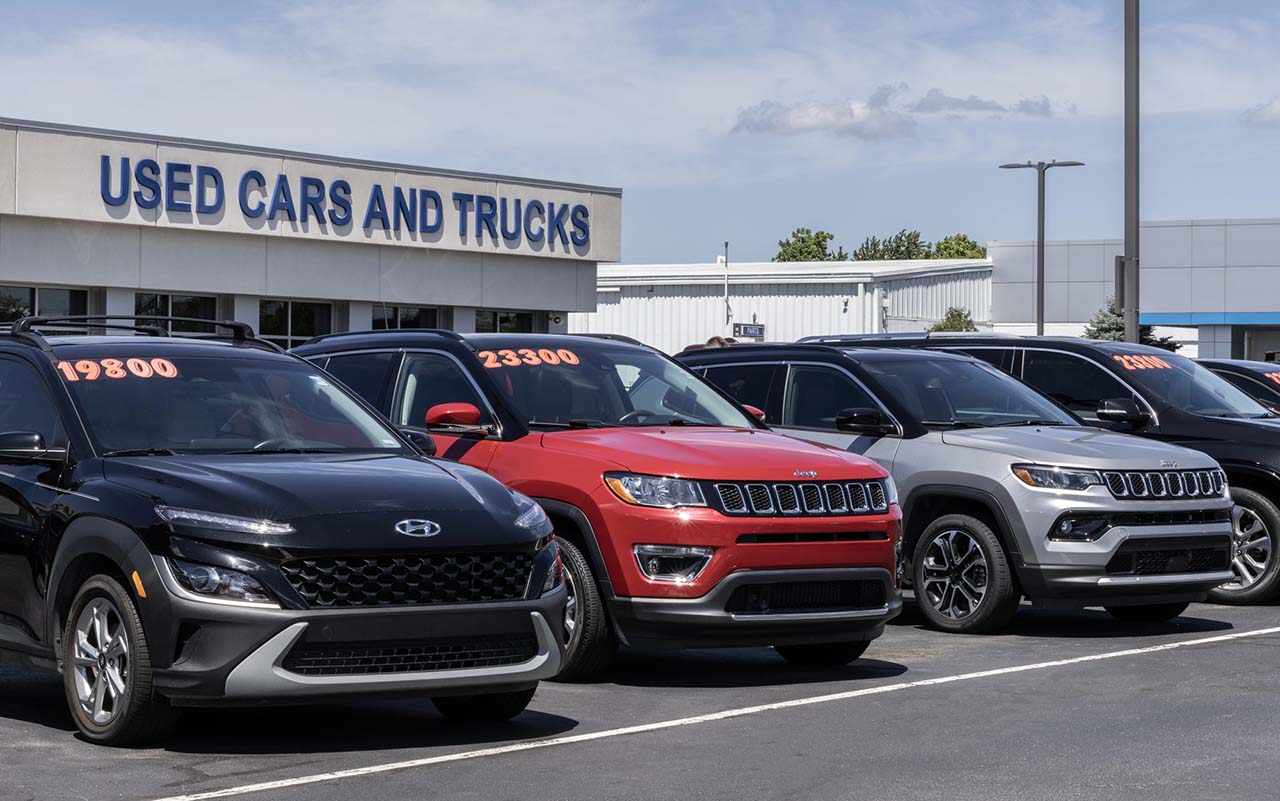
Photo by jetcityimage2/Depositphotos.com

Never rely on a phone call or a face-to-face conversation for critical details about a vehicle’s history.

The Strategy: After any verbal discussion, send a follow-up email or text.

Example: “Hi [Salesperson], just confirming what we discussed on the phone: you mentioned this 2024 Traverse has a clean title and has never had frame damage. Is that correct?”

Why it Works: If the dealer replies “Yes,” you now have written evidence of misrepresentation if you later discover a salvaged history. This effectively bypasses the “As-Is” clause by proving fraud.

The FTC Buyers Guide: Your Contract for Quality

Every used car sold in California must have a Federal Trade Commission (FTC) Buyers Guide displayed in the window.
  • The Red Flag: If the guide has “AS IS” checked, but the salesperson told you it has a 30-day warranty, you are being lied to. If you have an email promising a warranty that contradicts the “As-Is” box on the Buyers Guide, you have a strong case for Auto Fraud.
  • What to Keep: You must be provided with the original or a copy of the exact Buyers Guide that was on the car when you purchased it.
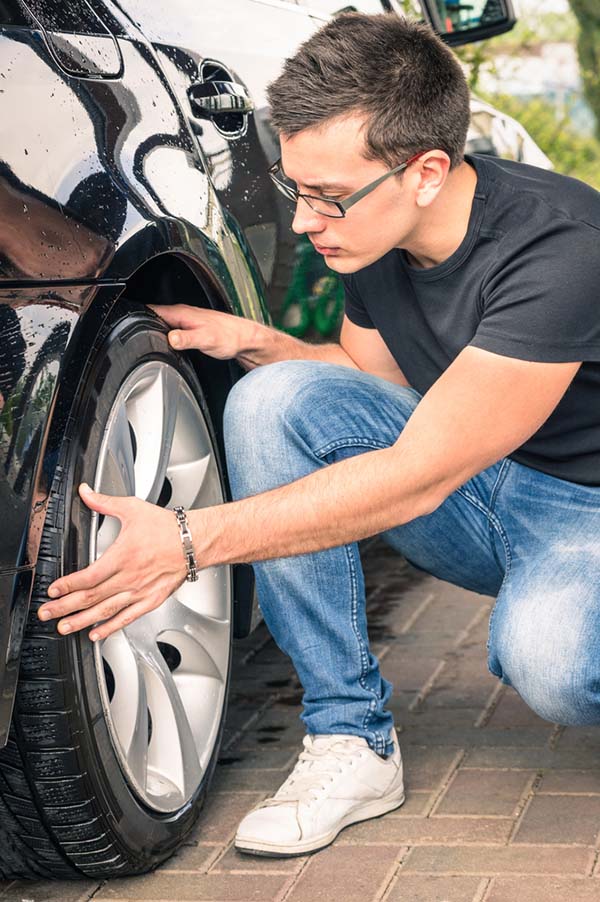
used car, man checking tire

The “Certified” Inspection Checklist

Under California Vehicle Code § 11713.18, a dealer cannot legally call a used car “Certified” (CPO) unless they provide you with a completed inspection report before you sign the contract.

  • The Common Scam: Dealers often provide a generic brochure that says “172-point inspection” but fails to show the actual checklist for your specific VIN.
  • The Checklist is Evidence: If the checklist says the “frame and body” were inspected and passed, but your mechanic later finds crumpled frame rails, the dealer has made a negligent misrepresentation. Keep this checklist in a safe place—it is the foundation of your lawsuit.

The “Due Bill” (Spoken Promises in Writing)
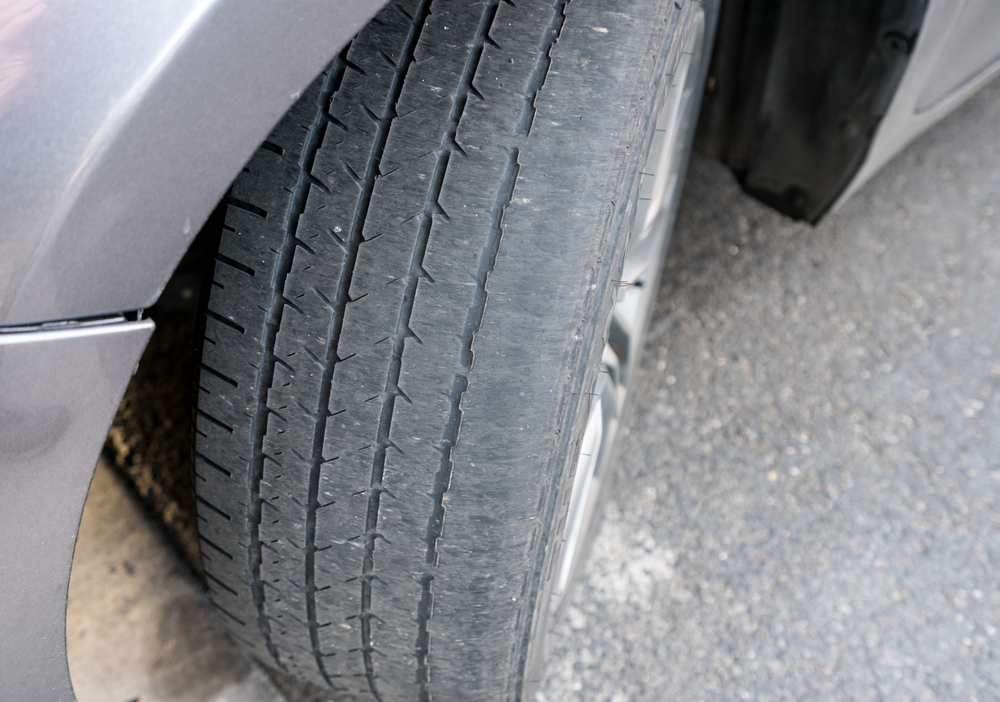
If the dealer promises to fix a cracked windshield, replace a bald tire, or provide a second key, do not leave without a “Due Bill.”

The Trap: Dealers often make “we’ll fix it next week” promises to get you to sign. Once the ink is dry, those promises often vanish.

The Protection: The Due Bill is a legally binding part of your purchase agreement. If they refuse to put a promise on the Due Bill, they have no intention of honoring it.

Your Documentation Checklist

If you believe you were a victim of dealer misrepresentation, gather these six items immediately:

  • All Text/Email Threads: Print them out; don’t just leave them on your phone.
  • The Buyers Guide: Look for the signature line on the back.
  • The Certified Inspection Report: (For CPO vehicles only).
  • The Purchase Agreement: Check for “hidden” fees or add-ons you didn’t approve.
  • The Odometer Disclosure Statement: Vital if you suspect an odometer rollback.
  • Keep a copy of the advertisement; you will want it.

Did the Dealer Lie? We Can Help.

Get a FREE Consultation Today

If you’ve discovered that your “clean” used car has a hidden accident history or if the dealer is refusing to honor a written promise, the law is on your side. In California, auto fraud can result in full rescission of the contract, meaning the dealer must take the car back and refund every penny you paid.

At RV Auto Legal Team, we help California consumers fight back against dealership fraud and recover what they are owed. If you’ve been misled about a used car purchase, contact us today to understand your rights. Our experienced team of lemon law attorneys and RV lemon law lawyers are here to guide you through the legal process. Contact the Attorneys at the RV Auto Legal Team

Serving All of California: Call 1-858-544-2292


Category: Dealer FraudTag: used vehicles


Previous Post:4 Reported Porsche Taycan Battery Problems — and Your Lemon Law Rights
Next Post:When Your Hybrid or High-Tech SUV Goes Into Limp Mode — It’s a Lemon Law Issue

LEGAL ASSISTANCE

SPECIALIZING IN RV LEMON LAW & DEALER FRAUD

The RV Auto Legal Team is prepared to advocate on your behalf. Contact us today for a complimentary case evaluation and guidance through the process of pursuing repurchase, replacement, or a cash settlement.

We’re ready to fight for you!

GET STARTED!

CALIFORNIA Statewide Services

MAIN LOCATION

16870 West Bernardo Drive, Ste 400
San Diego, CA 92127

Office: 1-858-544-2292
Cell: 1-858-527-2007

Email: jeff@rvautolegalteam.com

Email: rebecca@rvautolegalteam.com

OFFICE HOURS

Monday to Friday: 9:00 AM – 5:00 PM
Saturday: 10:00 AM – 2:00 PM
Sunday: Closed

CA Lemon Law Practice Areas

  • Motorhome, 5th Wheel, Travel Trailer
  • Undisclosed Accident/Vehicle History
  • Undisclosed Prior Rental
  • Selling Over Advertised Price
  • No SMOG Registration or Title
Back to top

Copyright © 2024-2026 The Law Offices of Jeffrey L. Le Pere. All Rights Reserved. [ Privacy ] [ Legal Disclaimer ]